Box 5 of 6 No licence
Plumbing you may do yourself in Victoria
Victoria’s Plumbing Regulations 2018 name two jobs that a person who is not registered or licensed may do in a dwelling: changing over a water efficient shower head, and repairing or replacing tap washers and doing other minor tap repairs, whether or not they own or live in the home. Gas is different: Energy Safe Victoria says never to do gas work yourself.
General information about the Plumbing Regulations 2018 (authorised version 010, amendments as at 1 May 2026), not legal advice. The Building and Plumbing Commission (BPC) is the place to check what a particular job needs.
Regulation 13, in plain words
Regulation 13 is headed “Plumbing work that may be carried out by unlicensed or unregistered persons”. It holds two jobs and a note.
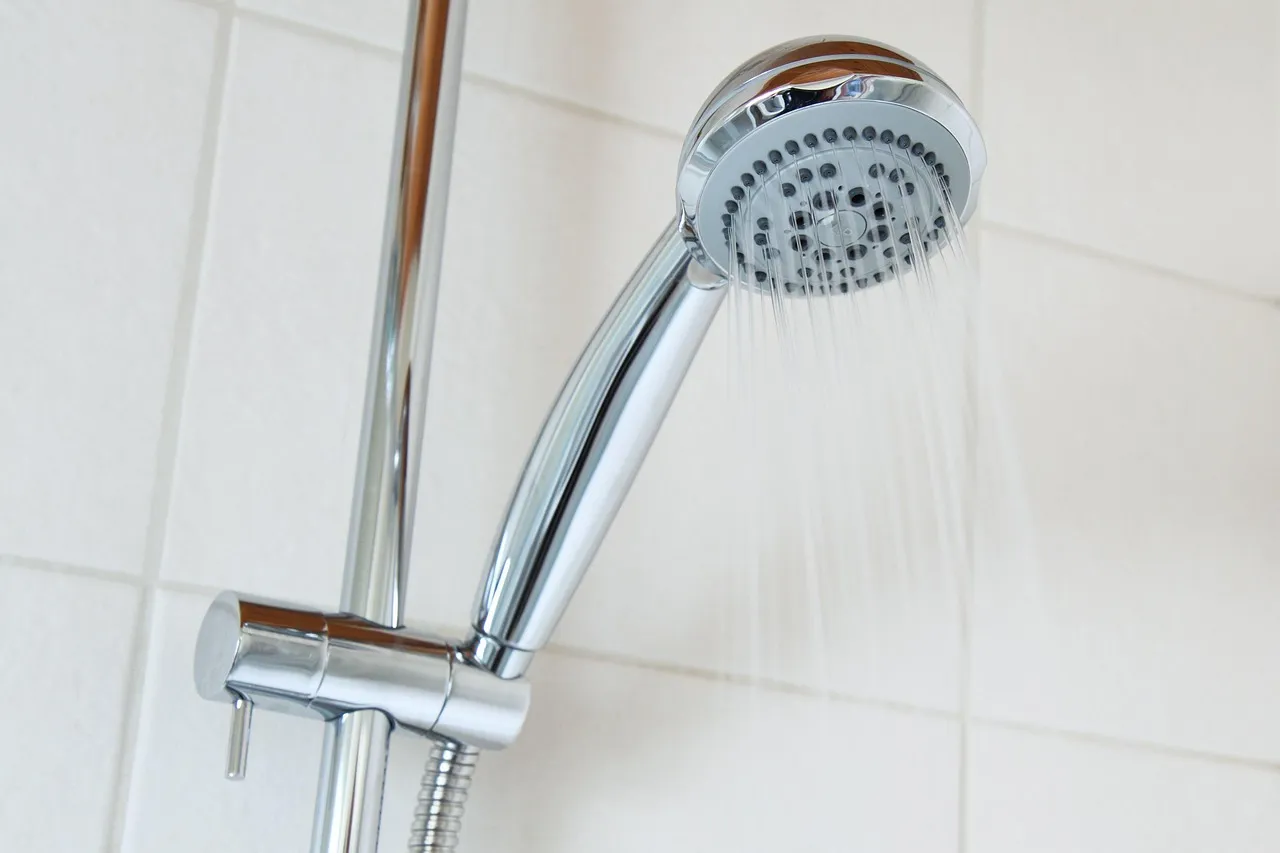
- A water efficient shower head
- Anyone may change one over in a dwelling. The Regulations define a water efficient shower head as one with a water efficiency rating of 3 stars or more under AS/NZS 6400.
- Tap washers and minor tap repairs
- Anyone may repair or replace tap washers, and do other minor tap repairs, in a dwelling, whether or not they own it or live in it.
- A tap in your own home
- The note points to section 221D(2)(a) of the Act, which lets someone without a licence or registration repair a tap in any dwelling they own or occupy. The Act is the Building Act 1993, which the Regulations are made under.
Tasks the Regulations say are not plumbing work
Regulation 12 lists the classes of work that are plumbing work, then sets aside some tasks that are not. In plain words, the tasks set aside are:
- opening or closing the caps and covers on inspection openings in sewage, stormwater and waste pipes
- clearing a blockage in those pipes, or looking inside them with a closed circuit television camera, through an inspection opening or removable grate that is already there
- hooking up the hoses of appliances such as dishwashers and washing machines to taps
- attaching a hose to a tap to use water, for cleaning or watering a garden, for example
- connecting an irrigation system or device to a hose tap to water a garden or irrigate
- installing a refrigerated package appliance that needs no pipework installed to run
- work on a supply or discharge network, or a treatment plant, and its equipment, where the network or plant is owned by, or exclusively vested in, a gas company, an authority with a water or sewerage district, or a council (for a stormwater drainage system), other than equipment used mainly for administration or ablutions
- work on the integral parts of an on-site wastewater management or on-site liquid trade waste device
- design work by a building practitioner, architect, building designer, engineer, landscape architect or designer.
Regulation 12 is a definition, not a list of jobs to take on, and it gives no instructions for any of these tasks. Its item on supply and discharge networks and treatment plants covers only those owned by, or exclusively vested in, a gas company, a water or sewerage authority or a council, and gasfitting work is itself one of the classes of plumbing work in regulation 12(1).
Everything else
For plumbing work beyond those lists, the BPC’s advice is to check that whoever does it is registered or licensed for that work before they are appointed. A plumbing product you have bought must be installed by a registered or licensed plumber.
The BPC sees unregistered or unlicensed plumbing work as a risk to consumers, and says work done outside the registration system can leave owners and occupiers with poor-quality or non-compliant work. The guide to checking a plumber shows how to confirm a registration or licence.
Gas work is never a DIY job
Energy Safe Victoria leaves no room on gas:
“Gas and electricity are inherently dangerous and it’s illegal and potentially fatal for unlicensed and unqualified people to undertake any gasfitting or electrical work.”
That is from its page on using gas safely. Its page for people engaging gasfitters says: “Don’t ever undertake gas work yourself or to use a tradesperson who does not have specialist gas knowledge and skills.” And its heating guide says the same of a gas heater: “Do not attempt to fix your gas heater yourself – gas work is not a DIY project (you must call a qualified gasfitter).”
Homeowners must always use a licensed or registered gasfitter, Energy Safe says, and should make sure the gasfitter is registered or licensed for the work they need.
The other boxes
For anything beyond regulation 13, the person to engage is a plumber registered or licensed for that work.