Box 4 of 6 Product mark
The WaterMark, when you buy the plumbing product yourself
Look for the WaterMark before you buy. Under the National Construction Code, any plumbing or drainage product whose type appears on the WaterMark Schedule of Products has to be WaterMark certified before anyone installs it, and although uncertified products can legally be sold in Australia, a licensed plumber may not install one of a listed type.
WaterMark is a national scheme; the installation rules quoted from the Building and Plumbing Commission (BPC) are Victoria’s. General information, not advice about a particular product.
A national scheme, applied in Victoria
The WaterMark Certification Scheme is a mandatory national scheme for plumbing materials and products, run by the Australian Building Codes Board (ABCB). Victoria’s regulator, the BPC, does not approve or certify plumbing products itself. How the rules are applied and enforced when a product is installed is set by each state and territory’s own legislation.
In Victoria, a product that needs the WaterMark trade mark but does not carry it is not approved for use, and may be unsafe.
Products the BPC names
The BPC gives five examples of plumbing products that must be approved: hot water systems, toilets and sanitary ware, tapware, evaporative air conditioners, and greywater systems. The same applies to any product that touches drinking water, including pipes, fittings, valves and fixtures. You can tell a product has been approved under the scheme because it shows the WaterMark logo.
The ABCB adds what a listed product must come with: certification, the WaterMark trade mark with its licence number and product specification, a listing on the WaterMark product database, and a statement of its intended use.
Why a plumber may say no
A product can be on a shop shelf, or a website, and still be one a plumber is not allowed to fit. These are the reasons the official pages give, each with its source:
| What happens | Who says so | Where |
|---|---|---|
| A registered or licensed plumber is prohibited from installing it where the Plumbing Code of Australia calls for a WaterMark product. | BPC | Victoria |
| If it is fitted where Volume Three of the National Construction Code requires a certified product, the local plumbing authority may not accept the installation. | ABCB | National |
| Possible results include paying to replace materials, a product failing and causing building damage and loss, and insurance that may be voided. | ABCB | National |
Checking before you buy
- Look at the product and its boxThe ABCB’s advice is to look for the WaterMark on the product and its packaging before buying.
- Buying onlineIf the website does not show it, ask the supplier.
- Search the databaseThe WaterMark product database can be searched by licence number, by product type, brand, model name or model ID, or by licensee name.
- Not on the databaseAsk the supplier for the certification information before you buy.
- Bought overseas, or second-handFor a product bought overseas, or a second-hand one whose origin is unclear, the BPC points to the ABCB’s WaterMark database.
Once it is installed
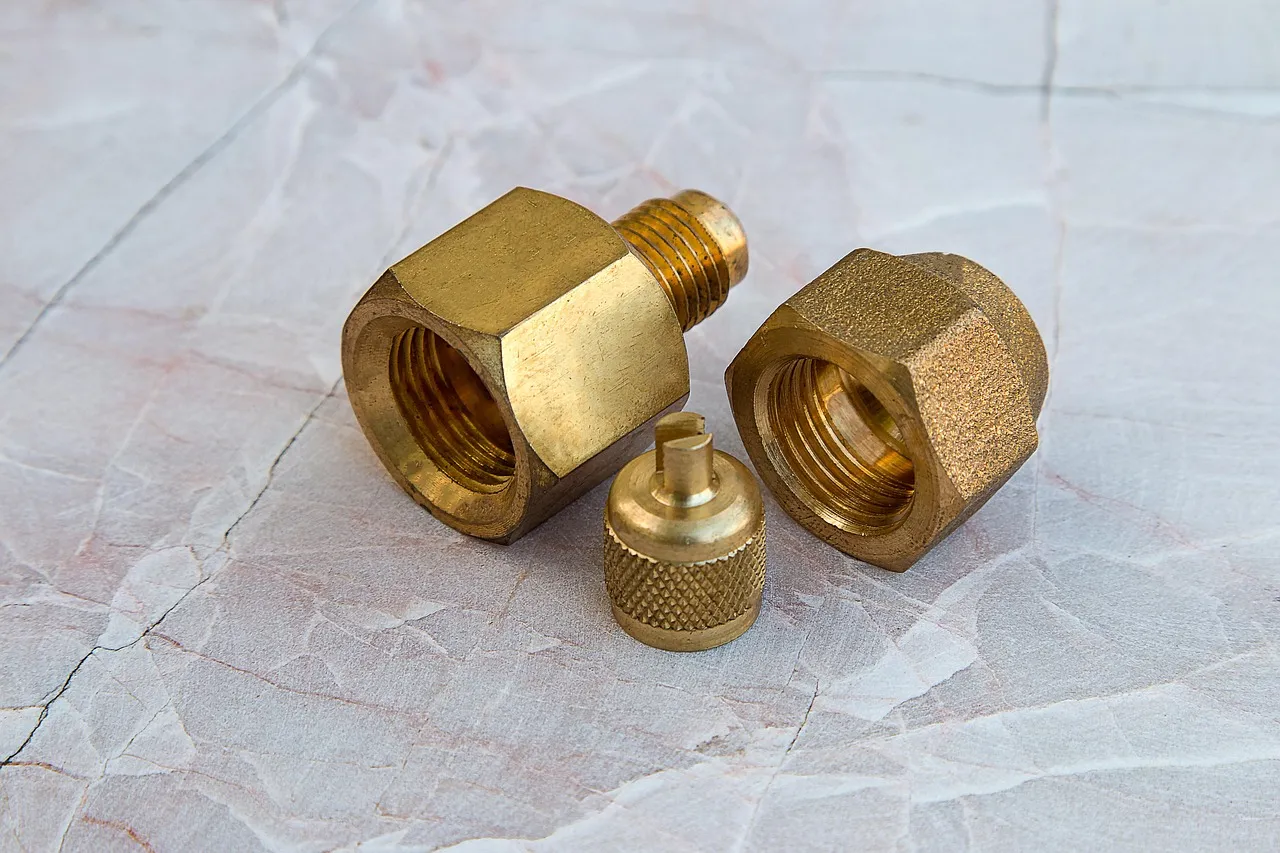
A plumbing product you have bought must be installed by a registered or licensed plumber. When the job needs a compliance certificate, the certificate does more than vouch for the work: the BPC says it certifies that the products and materials used are fit for purpose, and WaterMark certified where that is required. The compliance certificate guide explains when one is needed.
Lead free, and a date to watch
The ABCB has tightened the lead content allowed in copper alloy plumbing products meant for contact with drinking water. Since 1 May 2026, a manufacturer may make those products only as Lead Free WaterMark certified ones. Plumbers may keep installing existing products with current WaterMark certification until 1 May 2028, after which they will need to look for the Lead Free WaterMark trademark on products in contact with drinking water. The ABCB notes that states and territories may vary these transition dates. For Victoria, its page links a separate notice from the Victorian Building Authority on the new lead-free plumbing product requirements, and it points to each jurisdiction’s plumbing administration for questions.
Gas appliances carry their own label
Gas appliances follow a separate path. The BPC says that by law, retailers can only sell gas appliances that meet the relevant safety standards, and the appliance must be labelled, or “badged”, to show it meets current standards.
Reporting a product
If you suspect a product is not WaterMark certified, or is labelled incorrectly, the ABCB asks you to report it. In Victoria, enquiries and product reports go to the BPC. The guide to missing paperwork puts this alongside the other empty boxes.
The other boxes
When the product is chosen, a registered or licensed plumber does the fitting.